Timeline

ACROSS AMERICA’S FIRST EVENT WEEK

Happy Earth Day

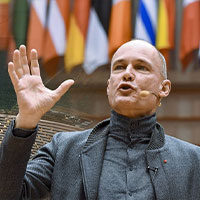
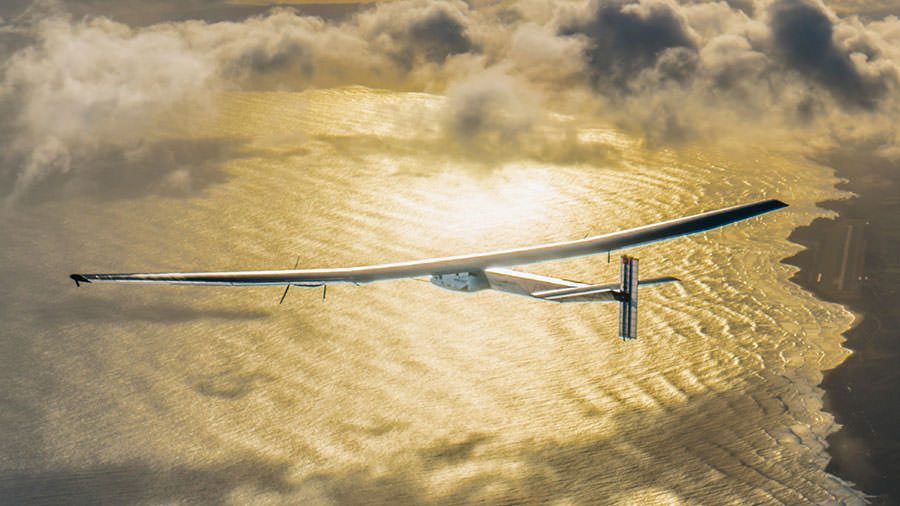
Today, Monday April 22nd, our two pilots, André Borschberg and Bertrand Piccard successfully completed technical flights 5 and 6. There couldn't be a better way to celebrate Earth Day: flying an entirely solar-powered airplane while the first rays of sunlight shine over the Bay.

It’s been an enriching and exciting ...

Read more

Today, Monday April 22nd, our two pilots, André Borschberg and Bertrand Piccard successfully completed technical flights 5 and 6. There couldn't be a better way to celebrate Earth Day: flying an entirely solar-powered airplane while the first rays of sunlight shine over the Bay.

It’s been an enriching and exciting week here at Moffett Airfield and I’m still getting over the adrenaline rush. I was simply amazed by the level of enthusiasm and positive remarks from people of all backgrounds and ages. 

There were school and university visits, Partner events as well as public figures such as Congressman M. Honda, Google’s CEO Larry Page, National Co-Chair for Technology for President Obama (T4O), Shelly Kapoor Collins, the Consul General of Switzerland in San Francisco, Julius Anderegg and Google’s CMO Lorraine Twohill. We also had a chance to take part in an inspiring discussion at the Google Tech Talks and organized a live video conference between Stanford University and Columbia University where the pilots answered students’ questions – connecting west and east coast academia by means of a solar airplane.

I especially enjoyed the Open House the Solar Impulse team worked so hard at organizing. One thousand people came through Hangar 2 to admire HB-SIA and assist to surprise speeches given by our pilots André and Bertrand. Many people were well read on the subject and had incredibly poignant questions, reminding me how truly inspiring the project is.

But most of all, what I really take away from this entire hubbub, is the distinct sparkle I see in people’s eyes when they first come face-to-face with Solar Impulse, no matter what generation: I see the sparkle of a clean generation.  

SOLAR ENERGY NEWS

China increases investment in solar power

Solar power is slowly starting to become an important source of electricity, even for the world’s largest energy consumer in the world.

On 8 August 2012 the Chinese government announced that it will ...

Read more
Solar power is slowly starting to become an important source of electricity, even for the world’s largest energy consumer in the world.

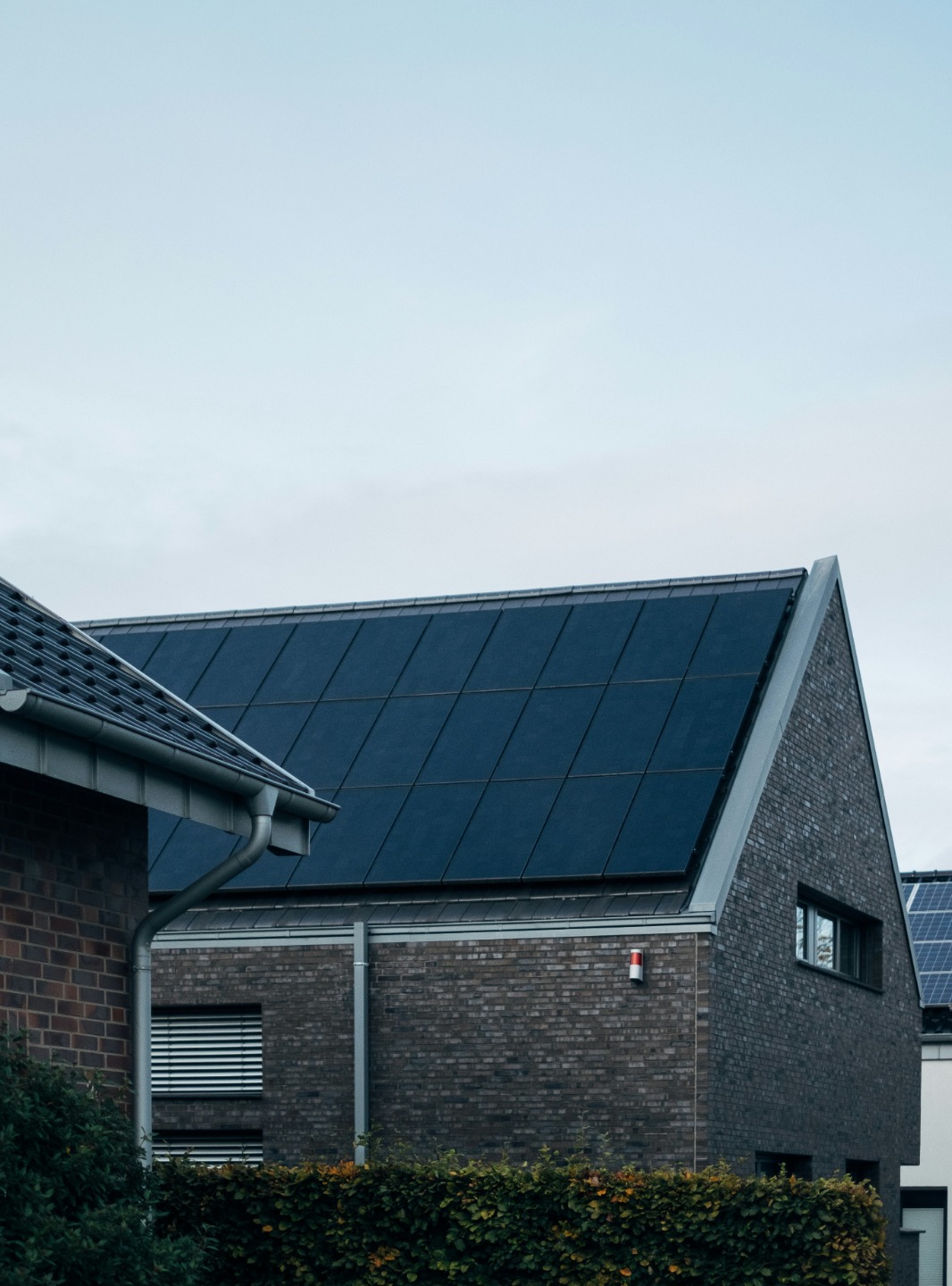
On 8 August 2012 the Chinese government announced that it will increase its solar capacity target by 40%, from 15 gigawatts (GW) to 21 GW by 2015 (Reuters). This decision was greatly influenced by the falling costs of photovoltaic panels and important changes in government regulations which have consequently boosted growth in what is already the world’s number one producer in this sector.

This is an important move for a country that is still greatly dependent on coal. In fact, the increase in China’s solar capacity will raise production to over 9.5% of its total energy consumption, equal to approximately 478 million tons of standard coal. 

Let’s hope many other countries will follow the solar wave! For more information, click here



OFF SHORE, OFF COURSE?

Several items caught my attention lately.

First of all, the oil spill in the Gulf of Mexico a disaster leaving me almost dumbfounded. Every day we receive news about ...

Read more

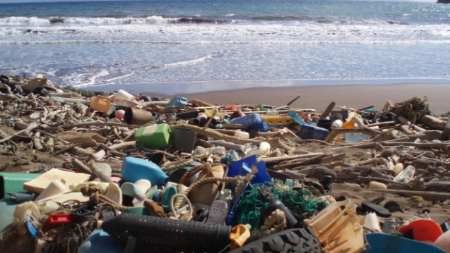
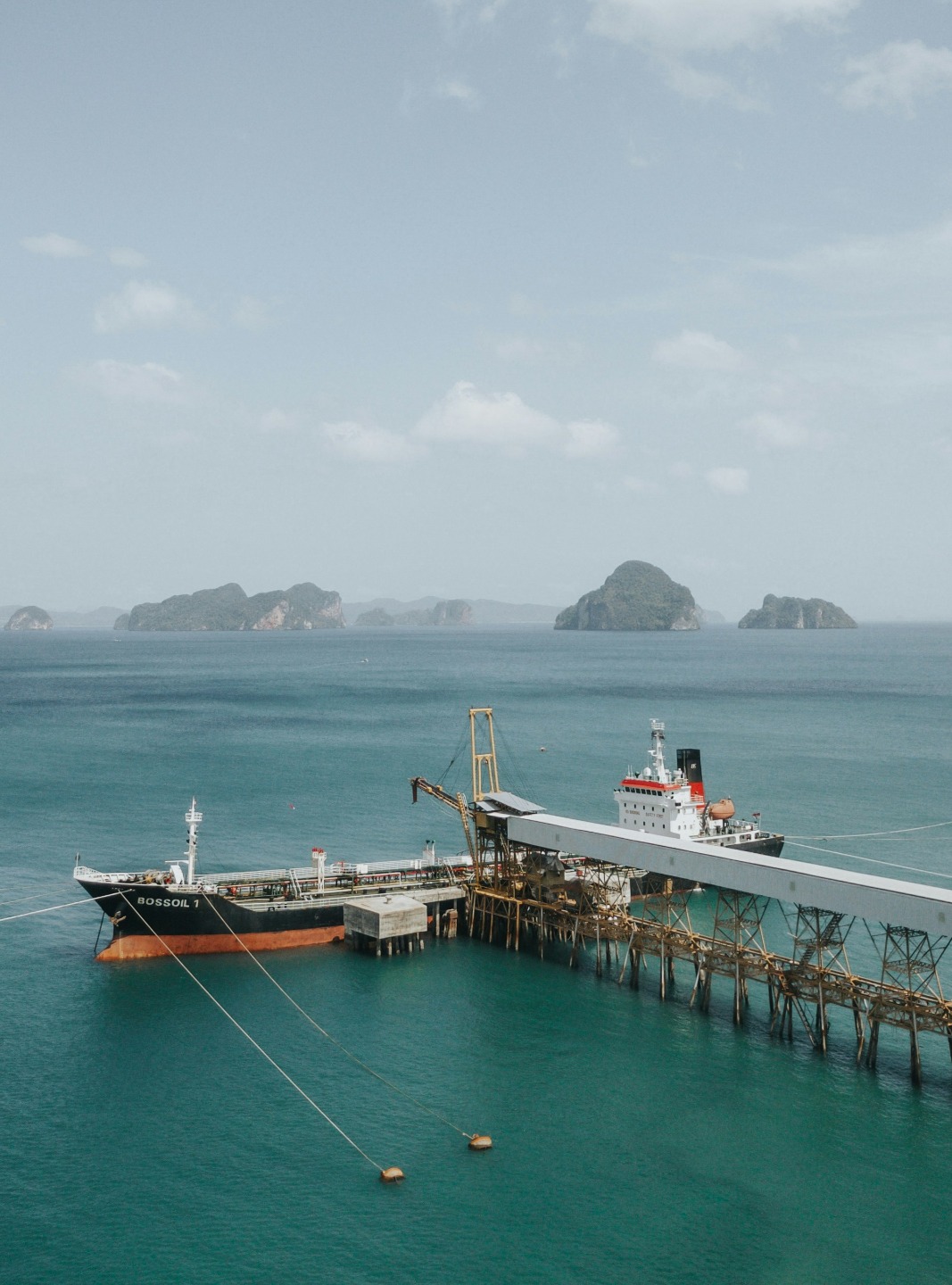
First of all, the oil spill in the Gulf of Mexico a disaster leaving me almost dumbfounded. Every day we receive news about huge oil slicks threatening the coasts of Louisiana, Mississippi, Alabama and Florida. About animals and ecosystems perishing in the petroleum. About fishermen, oyster farmers or hoteliers losing their income. And about our impotence to contain the damage done by ourselves. What else to say ?

Maybe that this fiasco is confronting man - this eternal Sorcerer's Apprentice dramatically with his own vices. With his arrogance to believe he could master a technology that even the editors of the industry's newsletter "Global Oil Briefing" classify as "extremely risky". With his greed that drives him to place the oil rigs further and further off shore and to drill deeper and deeper. Knowing that 1500 meters below sea level and at an oil and gas pressure of 40'000 pounds per square inch "it just seems like every now and then, you can't win against Mother Nature", as James, technician on the Deepwater Horizon, stated in a radio interview. "She throws a curve ball that you are not prepared for." And finally, after the accident, fear and anger came out, misleading some to call out cynically: "Spill, baby, spill!"

Does this mean that off shore humanity is off course? Not necessarily. While still more than 3800 rigs are producing oil and gas in the Gulf of Mexico, the production of wind energy has also been established on open sea. Just a few days ago the U.S. Interior Department gave permission to build the first offshore wind farm right off the cost of Massachusetts. Its 130 turbines will gracefully harness the wind to produce up to 420 megawatts of clean energy and will help saving 700000 tons of CO2 every year. According to estimates by the Department of Energy, nationwide offshore wind resources could generate as much as 900 gigawatts of power in a not so far future.

Well ahead in this field is Europe. In the North Sea only, 748 wind turbines are now operating offshore and another 2953 are to be installed. By 2030 247 terrawatt-hours of electricity shall be produced in this area rich on oil. This is what I call an upheaval. By the way, the latest wind farm, called Alpha Ventus, was inaugurated just these days. It costed 250 million Euros, will supply the grid with annual 220 gigawatt-hours of energy and it is located about 30 kilometers off the German coast in 40 meters deep water. A world record.

However this technology has not only advantages. The gained energy is more expensive than renewable energy from other sources. Furthermore the necessary investments are so high that the business is interesting only for a small number of large companies. And finally the impacts of these wind farms on the wildlife are still poorly understood.

Even in its search to replace the oil mankind remains a Sorcerer's Apprentice. And should therefore stay modest.

328 LAPS

The other day I claimed that replacing incandescent light bulbs by energy-efficient ones would be a smart way to reduce CO2 emissions and energy consumption.

Now I have to admit that simple rules of conduct are often imperative, but it would be sometimes helpful to better understand ...

Read more

Now I have to admit that simple rules of conduct are often imperative, but it would be sometimes helpful to better understand why a change in our daily behaviour is useful. For this reason I pursued the question Bertrand asked me: "How much electricity can be saved by the use of energy saving lamps"?

With the support of Marcus Basien, chief engineer of Solar Impulse, I made the following calculation: In Switzerland roughly 7.5 million people live in 3’436’000 households with an average of 26 lamps installed. About 53 percent, thus 47’348’080, are incandescent bulbs that are on for one hour a day. Now, if all these lamps with an average consumption of 60 watts per hour would be replaced by equally bright 15-watt energy saving bulbs, 2’130’663’600 watt hours of electricity could be saved each day. To put this into a different perspective: with this energy, our solar aircraft HB-SIA could stay airborne for 38 years and circle earth at least 328 times! Sounds surreal? But not as absurd as wasting huge amounts of energy day by day.

100 SOLUTIONS

No doubt that many of you share the view of Bertrand in observing that the Climate Summit in Copenhagen was disappointing and the outcome fell short of our expectations.

Once again, rather than talking about much needed opportunities for clean tech and renewable energies, Politicians and Governments ...

Read more

Once again, rather than talking about much needed opportunities for clean tech and renewable energies, Politicians and Governments spent their time in Copenhagen squabbling over less important technical details. Bertrand who travelled twice to Copenhagen, returned home frustrated and we all agree with him that «a unique opportunity was missed!»

In Copenhagen a project entitled «100 Places to Remember Before they Disappear» was presented. http://www.100places.com shows how cities, islands and landscapes around the globe could be lost within 30 - 60 years according a recently published report by the Intergovernmental Panel on Climate Change. Important landmarks such as Battery Park in New York City, Venice or the Great Barrier Reef are in serious jeopardy.

«100 places» puts forth concrete proposals on how companies, politicians and each one of us can easily reduce CO2 emissions ... by flying more direct routes, driving more efficient vehicles and replacing light bulbs. If only our Politicians would have used «100 places» for their roadmap or manifesto, Copenhagen could have been the success it was set out to be!


Get more content